
About Rye
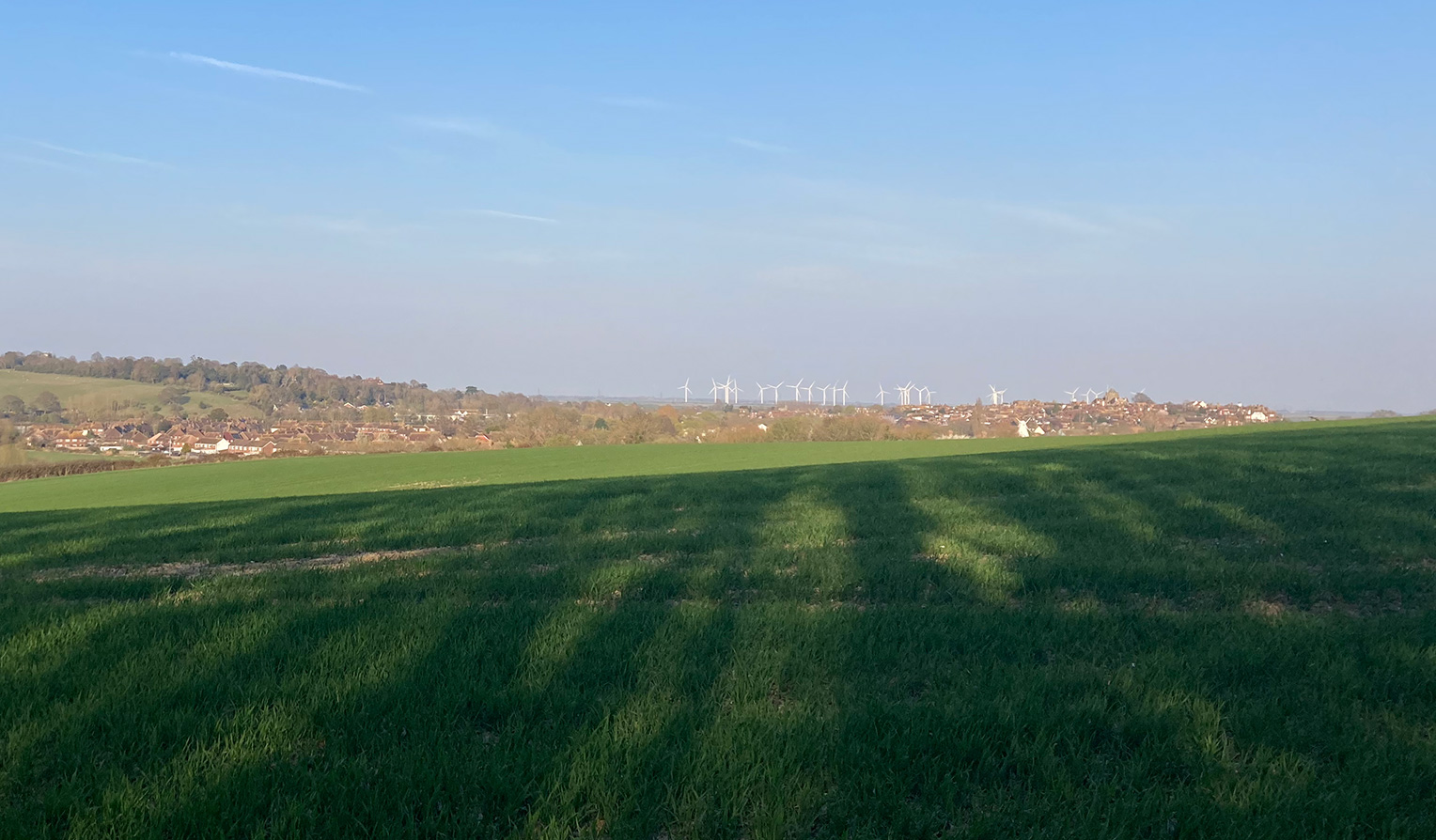
The “Rock of Rye”, as it was known in medieval times, is literally built on a stony outcrop.
Once surrounded by sea, this fortified hilltop town played an important role in the defence of the south coast of England.
These days, the river no longer harbours warships and is home to the local fishing fleet. From spats with the French, marauders and smugglers, this ancient town is steeped in history. After a three-day stay in 1573, Queen Elizabeth 1 gave Rye the title “Rye Royale”.
A climb up the tower of St Mary’s Church offers wonderful views of the surrounding country: Winchelsea perched on another hill to the west, the meeting of the Rivers Rother and Tillingham, the terracotta roofs of the many timbered houses, cobbled streets and secret passages, once the haunt of smugglers and highwaymen, all regularly attract film crews in search of historic settings for period productions.
The wonderful light and its microclimate have made Rye a haven for artists and writers. Henry James lived in Lamb House, where he wrote several books and E. F. Benson immortalised Rye in his ‘Mapp and Lucia’ books. Rumer Godden, E Nesbitt and John Fletcher are amongst the many celebrities to have lived in or near Rye. The artist Van Dyck was a frequent visitor as he crossed the channel from his native Flanders, which is why he painted so many pictures of ships tied up on The Strand.
Rye is the perfect backdrop for an Arts Festival. It was started in 1972 and is one of the top ten small festivals in Britain, providing a diverse mixture of musical, literary and theatrical events with an emphasis on quality, intellectual weight, style and fun. The visual arts are equally well provided for with local galleries running shows especially for the festival. Venues include St Mary’s Church, the delightful churches in the neighbouring villages of Iden, Playden and Winchelsea and The Barn Theatre at Smallhythe Place, where Ellen Terry lived.
The surrounding area provides many opportunities for different tastes. Sissinghurst and Great Dixter are there for garden enthusiasts. Derek Jarman’s eclectic garden at Dungeness is not far away. The Romney Marsh Churches, Battle Abbey, Bodiam Castle, Bateman’s, Rudyard Kipling’s house in Burwash and Scotney Castle are amongst the many places to visit. For further tourist information and websites, see Where to Eat and Drink.
Getting to Rye and the venues
By Train
From London Charing Cross, London Bridge and Waterloo East (Change at Ashford for Rye)
From London Victoria and Gatwick Airport (Change at Hastings for Rye)
Fast trains leave from London St Pancras International or Stratford International for Ashford (37 minutes from St. Pancras). Change at Ashford International for Rye.
By Bus
Click here for more information.
By Road
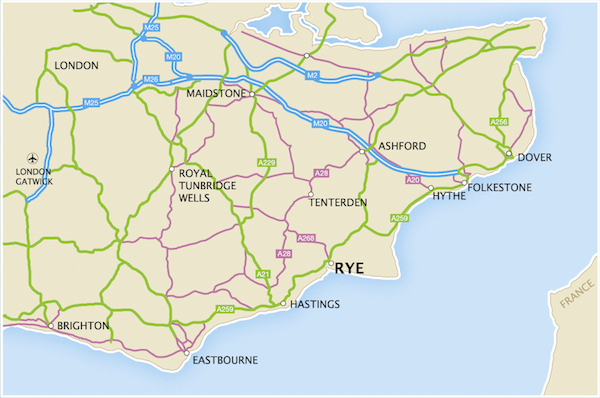
Rye is on the A259 between Hastings to the west and Folkestone to the east and on the A268 from the north.
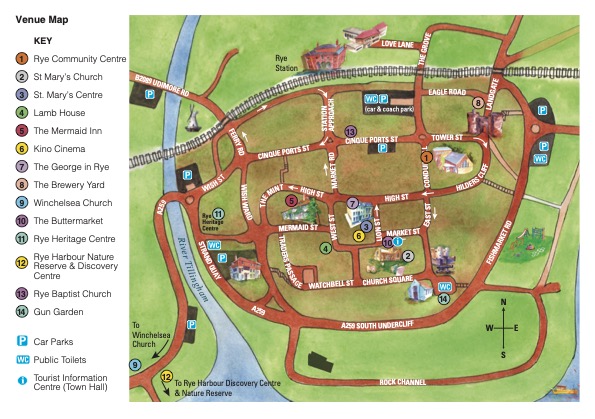
For car parks see venue map.
By Sea
The Harbour of Rye is open to visiting boats. The Harbour Office telephone number is 01797 225225
Tourist Infornation & Acconnodation
Click here for more information.
Other Rye Town Websites worth a visit:
This map shows all the venues that will be in use during our Festival together with some other points of interest.
Where to Stay, Eat & Drink
Rye has an excellent range of hotels, bed and breakfast and self-catering accommodation in the town
1066 Country
Click here for the website, which is full of information about this part of East Sussex.
Town websites
Information about accommodation, restaurants and places to visit can be found on the following town websites:
Rye Sussex – Attractions, accommodation, restaurants etc.
A Rye Good Time – This is a free app, which promotes the stunning town of Rye, all its events and entertainments as well as accommodation, dining, shopping, wellness and other attractions.
The Rye Guide – Graded accommodation, restaurants and places to visit, run by the Hotel & Caterers Association.
The Rye Heritage Centre – Tourist information, town model and tours. Telephone: 01797 226696.